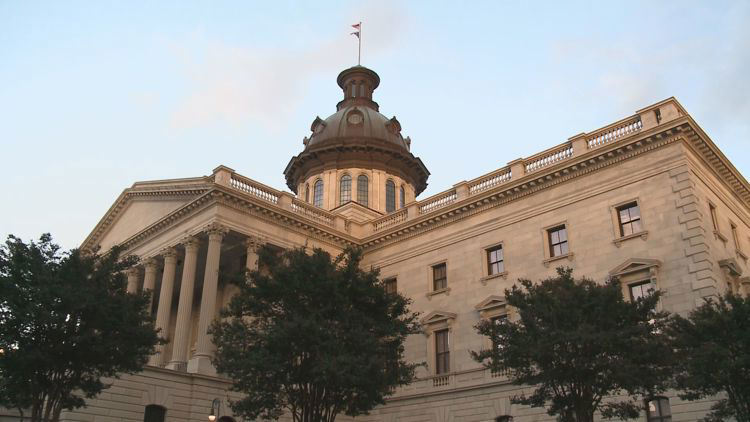
A Republican lawmaker in South Carolina has reintroduced legislation that would permit casinos in some of the state’s economically struggling counties, reviving a debate that stalled last year.
The I-95 Economic and Education Stimulus Act, filed by State Rep. Bruce Bannister (R), would create a state gaming commission empowered to award casino licenses. An amendment in the bill also allocates 35% of gaming revenue to the South Carolina Conservation Bank, supporting land and forest preservation—a move Bannister hopes will win over skeptics.
“Most members are lukewarm, but if it helps something they care about, like conservation, they may be more favorable,” Bannister told The Columbia State.
Casinos as Economic Boost
The legislation targets underdeveloped areas like Santee, a small city of roughly 1,000 residents in Orangeburg County. Developers, led by Santee Development Corp., argue that a local casino could generate $100 million in annual state revenue while providing jobs and stimulating local economies.
Despite potential financial benefits, the proposal faces strong opposition. Many Republican lawmakers and religious leaders consider gambling a moral issue rather than a fiscal one. Steve Pettit, president of the Palmetto Family Council, warned, “Scripture warns against unjust gain.” Similarly, the Faith Wins organization urged pastors from 11 denominations to oppose the measure, citing concerns about community and family impact.
Mixed Support
While Governor Henry McMaster (R) supports conservation initiatives, he reportedly has reservations about the casino proposal. The Catawba Tribe also opposes the plan, despite prior attempts to develop a casino along I-95.
In a related development, South Carolina Gambling Recovery LLC recently filed a federal lawsuit against Kalshi and Robinhood, alleging the platforms offer illegal gambling within the state.
Bannister’s renewed push illustrates the ongoing tension in South Carolina between potential economic development and moral, religious, and tribal objections—setting the stage for a contentious debate in the 2026 legislative session.



Leave a Reply